Styling your home isn’t about filling it with things.
It’s about choosing the right things, pieces that don’t just sit in a room but belong to it.
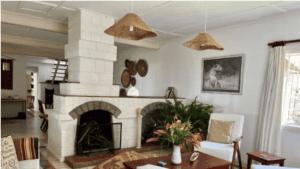
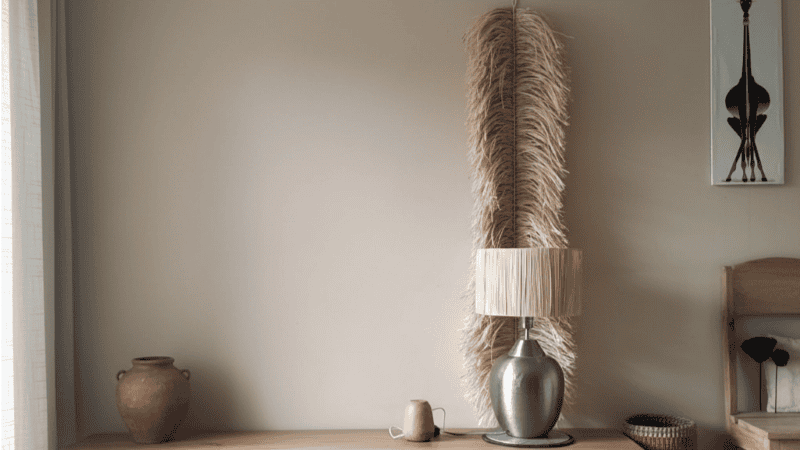
And if you love natural decor, then our type of African handmade home decor could be just what you need.
Rooted in natural fibres, traditional craftsmanship, and materials shaped by hand rather than machine, these pieces bring something mass production simply cannot replicate: texture, authenticity, and a warmth that you feel before you can explain it. In a world of identical showrooms and fast-ship furniture, that distinction is everything.
If you want your home to feel grounded, layered, and genuinely alive, this is how you do it.
What Is African Handmade Home Decor?
At its core, African handmade home decor is defined by what it’s made of and how it’s made.
Natural materials — sisal, raffia, jacaranda wood, clay, soapstone — shaped by artisanal techniques passed down through generations.
Visible craftsmanship. Textural depth over surface decoration. Sculptural, grounded forms. Palettes borrowed from the earth itself.
Unlike trend-driven decor that dates itself within a season, handcrafted African pieces carry something rarer: cultural and material integrity.
The slight variation in a weave, the grain in carved wood, the asymmetry in a hand-thrown form, these are not flaws. They are the signature of a human hand. And in modern interiors, that authenticity doesn’t just add character. It creates atmosphere.
1. Lead With Texture
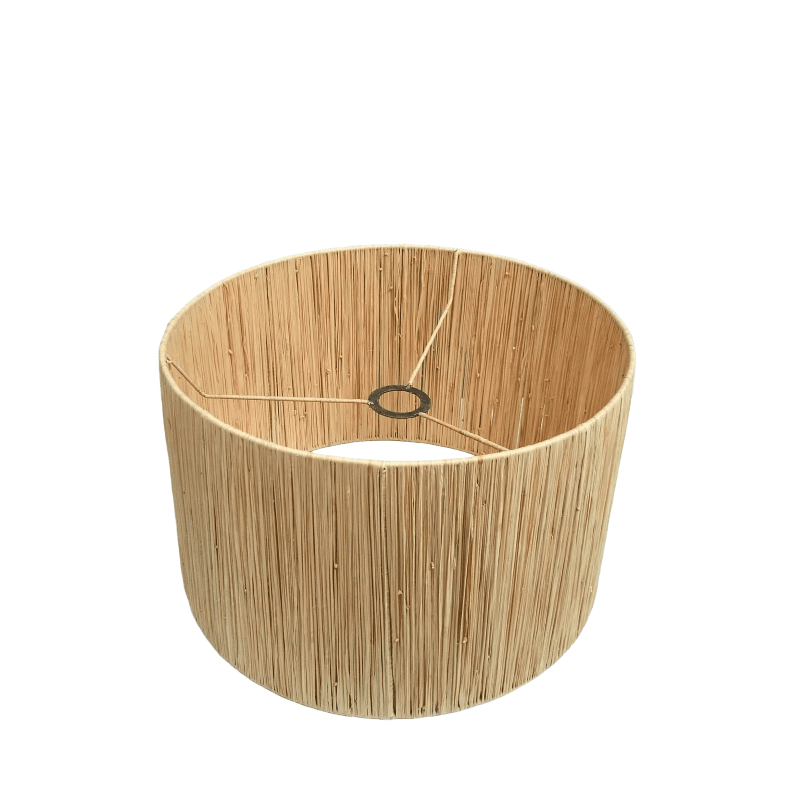
This is the foundational rule of African handmade home decor: texture first, everything else second.
Forget bold patterns and artificial finishes. Real visual interest comes from layering natural materials each one catching light and shadow differently, each one adding tactile depth without visual noise:
- Woven sisal placemats on a bare wooden dining table
- Raffia wall hangings that soften a stark white wall
- Carved wooden stools with organic, irregular edges
- Handwoven lighting that pools warm, diffused light across a room
Introduce one natural material at a time. Let it breathe. Let it do the work.
2. Anchor the Room with One Statement Piece
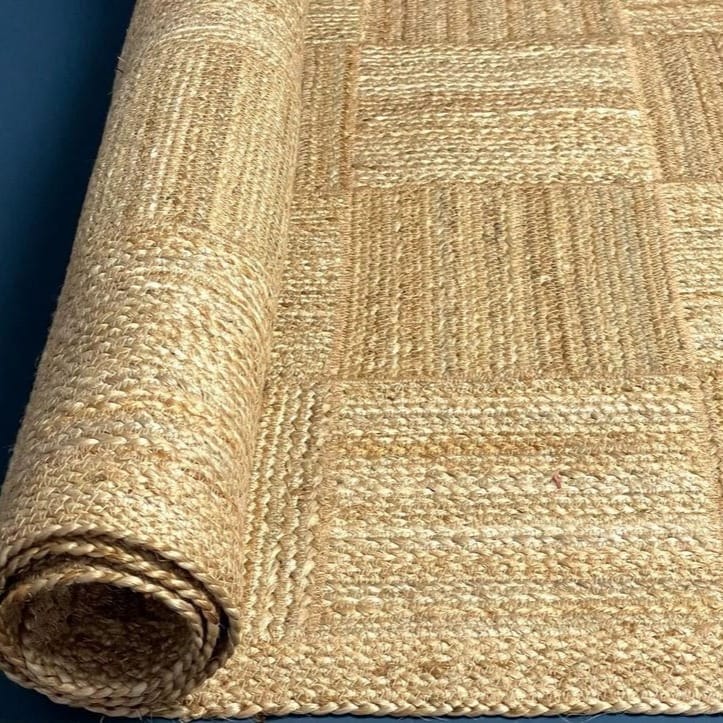
Strong interiors are built around anchors, not collections of small things hoping to add up to something.
In African handmade home decor, your anchor might be a sculptural ceiling lampshade, a carved log stool, a large raffia wall installation, or a natural sisal rope rug that commands the floor. Pick one. Position it with intention. Let everything else respond to it.
This is the difference between a room that looks styled and a room that feels designed.
3. Give Your Pieces Room to Breathe
Authentic materials demand space not excess furniture, not competing decor, not surfaces crowded with sentiment.
Empty wall space lets woven art stop you in your tracks. A cleared table makes a textured placemat feel considered. An open floor invites you to walk around a sculptural wooden form rather than past it.
Restraint isn’t minimalism for minimalism’s sake. It’s the discipline that makes each piece matter.
4. Build a Warm, Earthy Palette
African handmade home decor finds its best companions in colours that don’t compete with it:
Warm beige. Soft ivory. Clay. Deep brown wood. Muted charcoal. The natural hues of undyed fibre.
These aren’t boring colours, they’re quiet ones. And when colour steps back, craftsmanship steps forward. Texture becomes the design feature. The room stops looking assembled and starts feeling curated.
5. Choose Craftsmanship You Can See and Feel
There is a visible and tactile difference between handmade and factory-made decor, and once you know it, you can’t unsee it.
Light moves differently through a hand-woven shade than a machine-pressed one. Hand-carved wood sits heavier, more grounded. Natural fibres catch shadows in ways that synthetic materials simply don’t.
These are subtle things. But they are the things that change how a room feels to live in, not just to photograph.
6. Style for Longevity, Not the Next Trend
African handmade home decor does not have an expiration date.
Natural materials age with grace. Wood deepens. Fibres soften. Soapstone develops a quiet patina. These pieces don’t need replacing they need time. Instead of refreshing your decor every year, you build a space that evolves with you.
That is sustainable design. That is lasting style. And honestly? That is far better value.
Where African Handmade Home Decor Works Best
This aesthetic thrives wherever warmth and authenticity are the brief:
Modern apartments. Boutique hotels. Design-forward Airbnbs. Minimalist living rooms. Calm master bedrooms. Refined dining spaces.
It suits anyone who is tired of interiors that look expensive but feel hollow and ready for spaces that feel genuinely, unmistakably theirs.
Shop the Aesthetic at Lucidity Artisanals
At Lucidity Artisanals, every piece in our collection is handcrafted in Kenya using natural materials and artisanal techniques. From hand-woven sisal lampshades and raffia wall art to carved wooden accents and textured table decor, our pieces are built to anchor a room — not decorate the edges of one.
Browse the collection and find the piece your space has been waiting for.
Explore African Handmade Home Decor at Lucidity Artisanals →
A note before you go: The best interiors are not the fullest ones. They are the most intentional. Choose fewer pieces. Choose natural materials. Choose craftsmanship. When texture, authenticity, and proportion align, a space stops feeling decorate and starts feeling designed.